
Tag: refugeeleadership
-
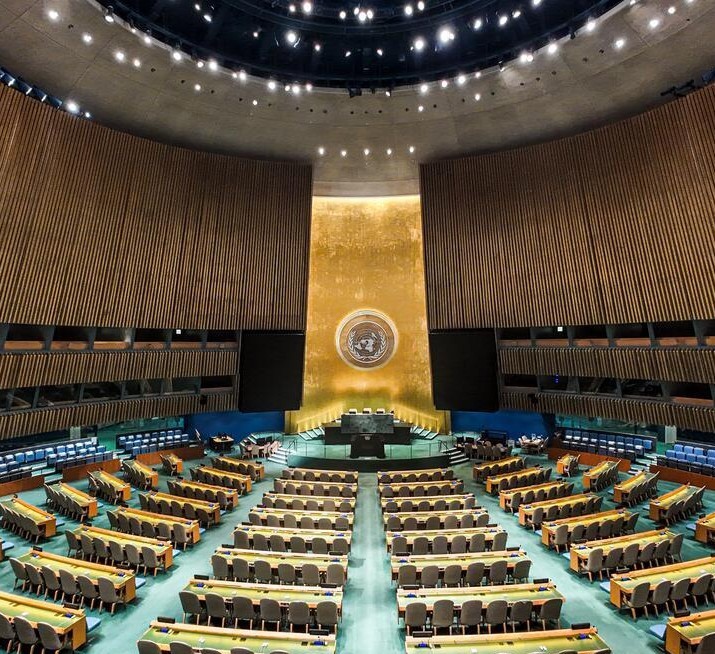
The Illusion of Trust in the Multilateral Institutional Aid System
“Multilateral institutions never had people’s trust. Community leaders always did.” Restoring trust in multilateral institutions was one of the themes dominating global conversations last month as world leaders, donors, civil society representatives and actors gathered in New York for the 81st Session of the United Nations General Assembly, also known as, UNGA 81, but trust…
-
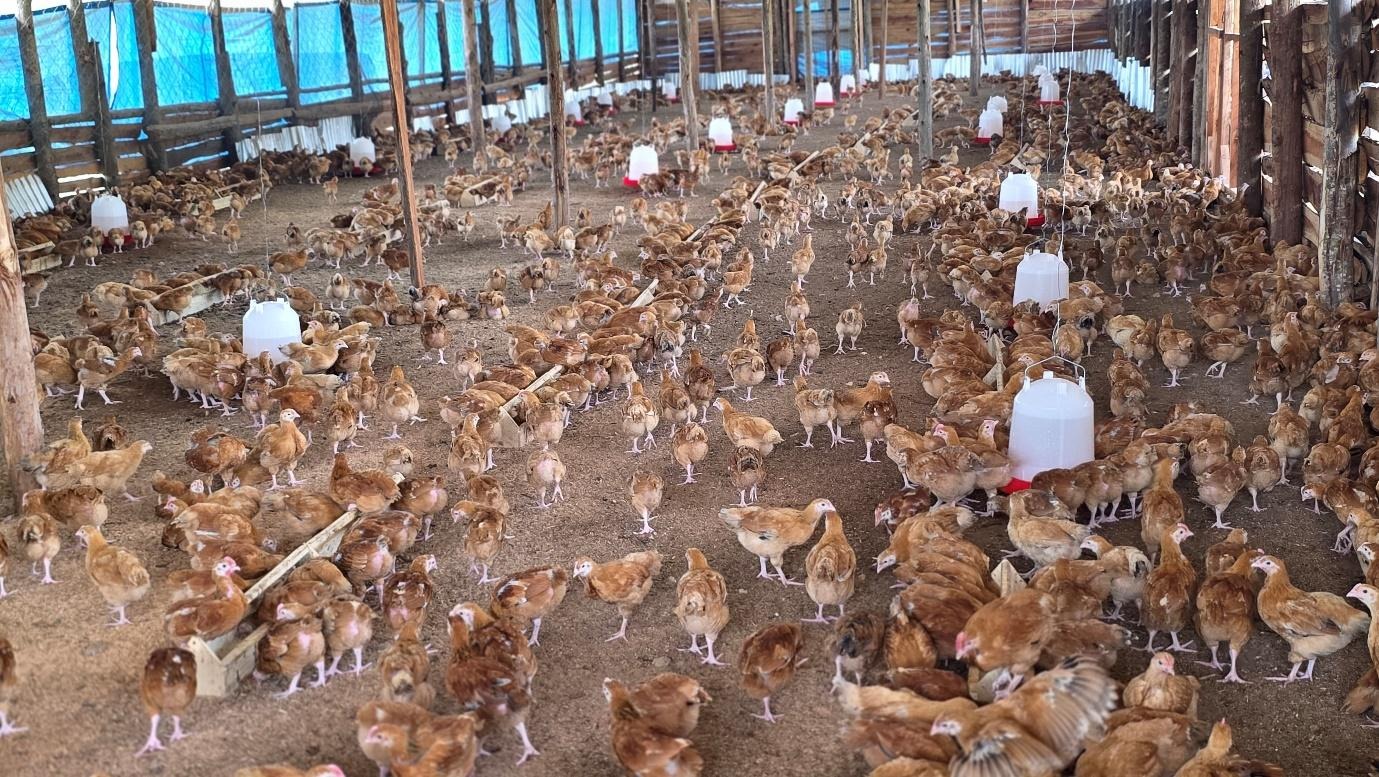
What If We Stopped Asking What Refugees Need, and Started Asking What They Could Build?
I didn’t expect to be caught off guard by chickens. Yet standing at TuVi Poultry house in Rwamwanja refugee settlement recently, in South Western Uganda, I found myself staring at 2,500 restless birds and realising that the way I had been thinking about humanitarian aid might be wrong. For years, I have worked around refugee…
-
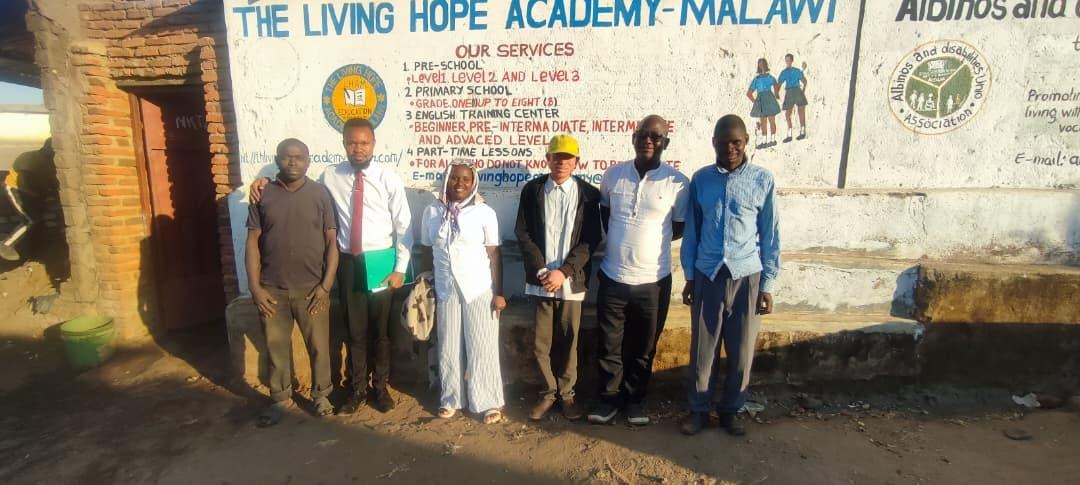
As a Refugee, I Thought I Had Seen It All Until I Reached Dzaleka Camp in Malawi
Some trips give you photographs. Others give you a story to tell for the rest of your life. My recent trip to Malawi did both, but more than anything, it touched my heart. It reminded me that there are still places in this world full of good people who hold on to their culture, their…
-
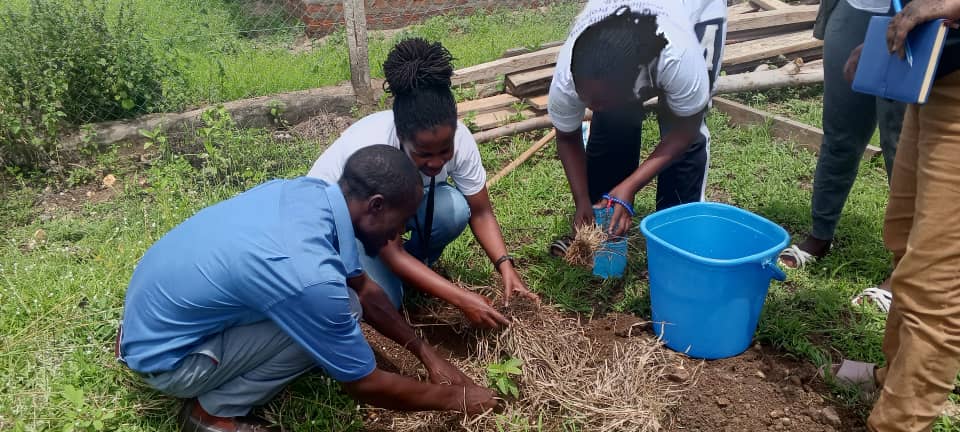
When Aid Disappears, Communities Remain and Local Actors Step Forward
In April 2026, I travelled through the West Nile region of Uganda to meet organisations working within refugee and host communities. We visited many organisations involved in livelihoods, education, peacebuilding, climate action and community protection. Before the visit, I knew that community-led organisations were doing important work. What became clearer to me during the journey…
-
Community-Led Early Learning in West Nile Uganda
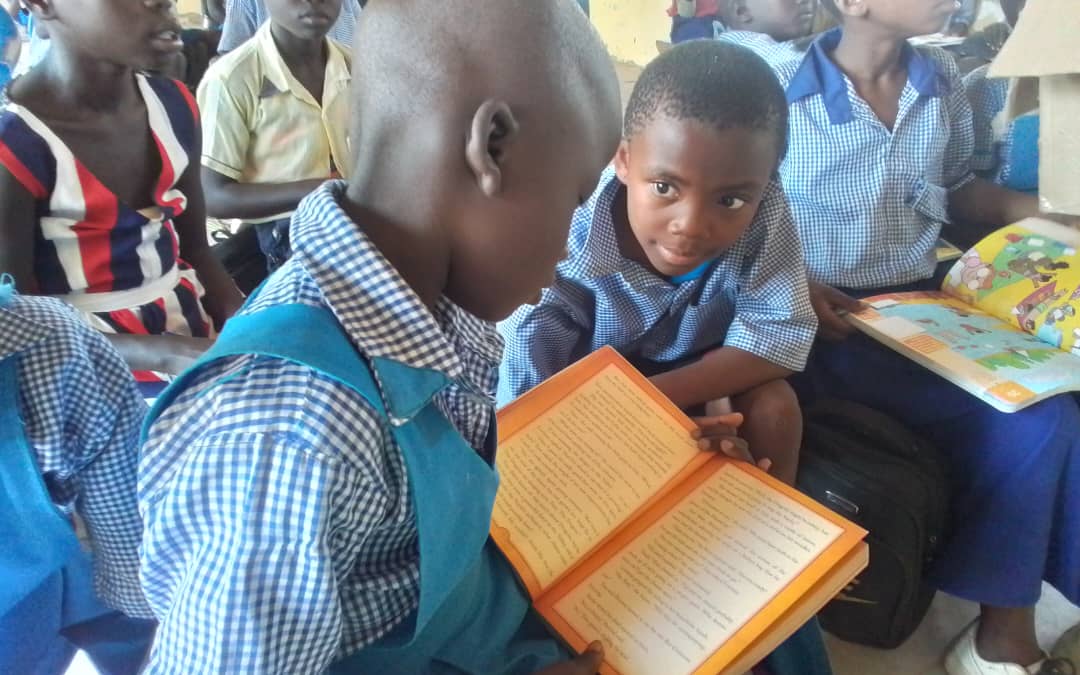
What happens if overcrowded Early Childhood Development (ECD) schools had access to well-resourced reading clubs and if local organisations received sustained funding to expand their supplementary learning programmes? The truth is, most ECD schools in refugee settings across Uganda’s West Nile region are nowhere close to that reality. Overcrowding undermines the quality of learning and…
-
What If We Told You…
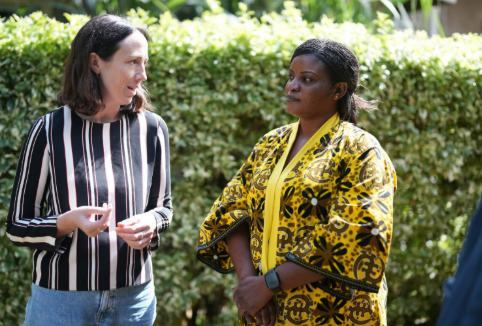
Over the past few months, I have spent time interviewing refugee leaders across East Africa for Cohere’s What If We Told You… campaign. In many ways, these discussions have not been the beginning of something new, but a continuation of a much longer conversation. The culmination of years of listening, reflecting, and debating internally as…
-
Dignity over Aid: The Requirements of a fairer and more inclusive approach to humanitarianism
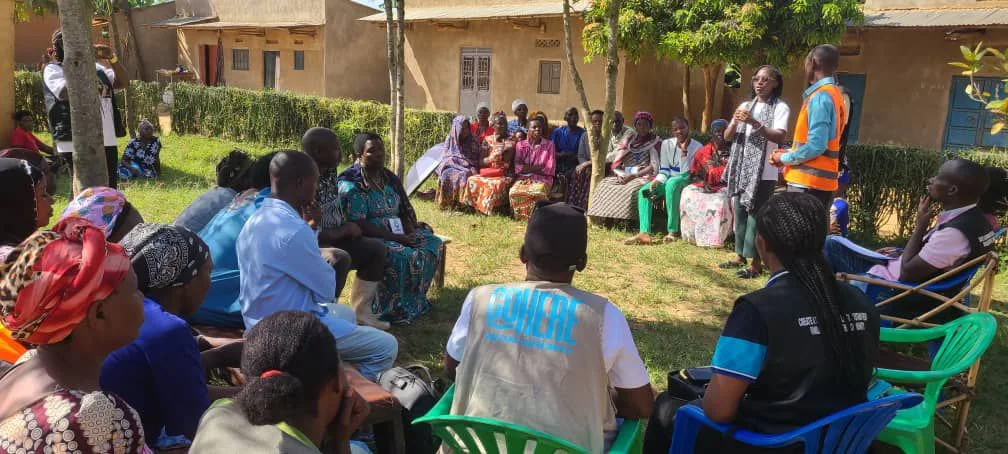
In 2015, Cohere, which was then called Xavier Project, went to Kakuma refugee camp for the first time as part of a consortium delivering ed-tech homework solutions for refugees. The product, designed by an ed-tech company in Nairobi, was a set of homework quizzes on the Kenyan curriculum that ran on basic handsets through USSD…
-
Agency, Inclusion and Trust-Based Relationships: a Triangle for a Just Society
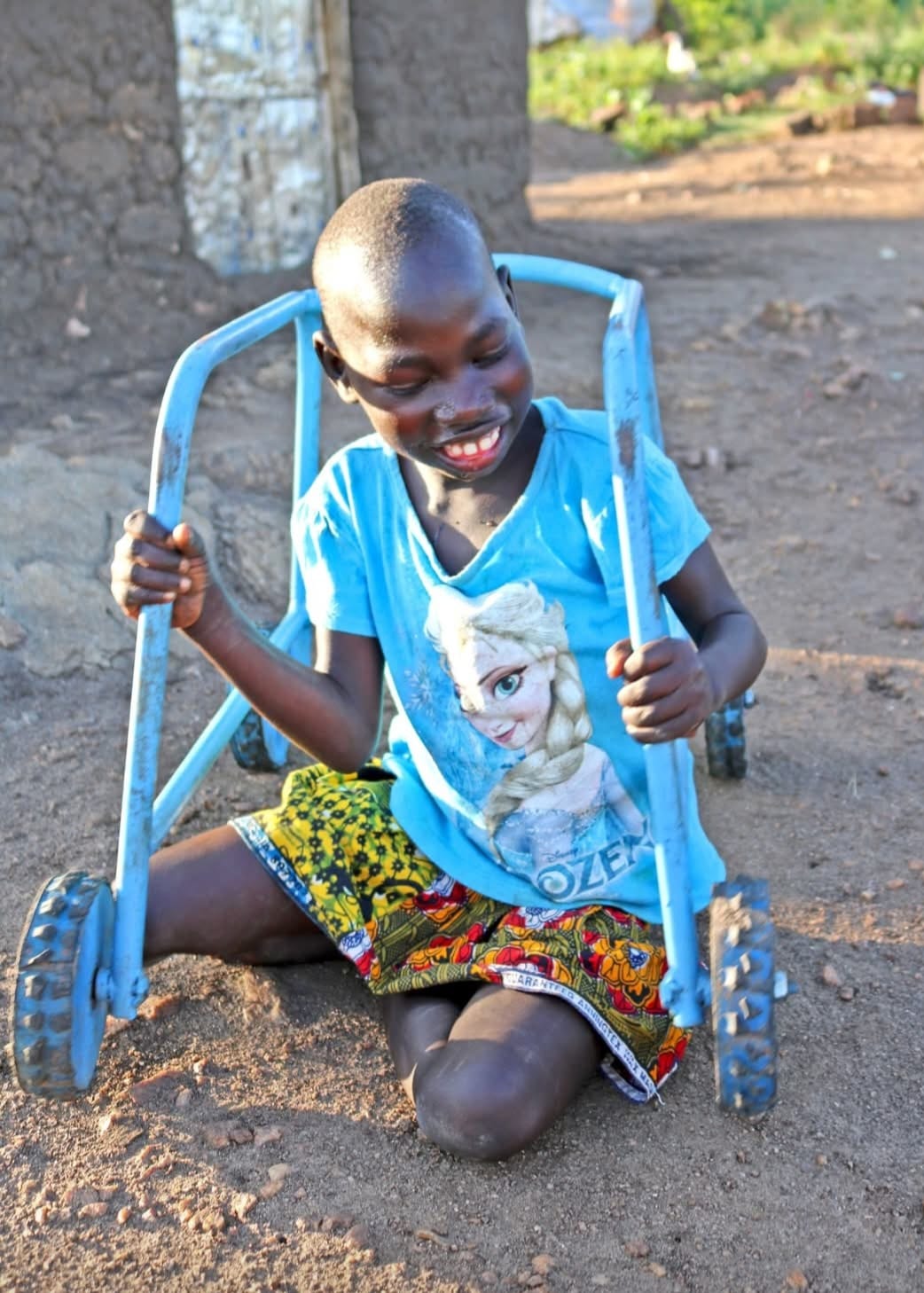
The message we hear most often from the communities we work with is that the goal is not simply to escape poverty, insecurity or hardship in times of crisis. People seek justice, the dignity that comes from being treated as fully human, and the agency to shape their own futures rather than having them shaped…
-
Refugees Leading Their Own Change: What I Witnessed in West Nile
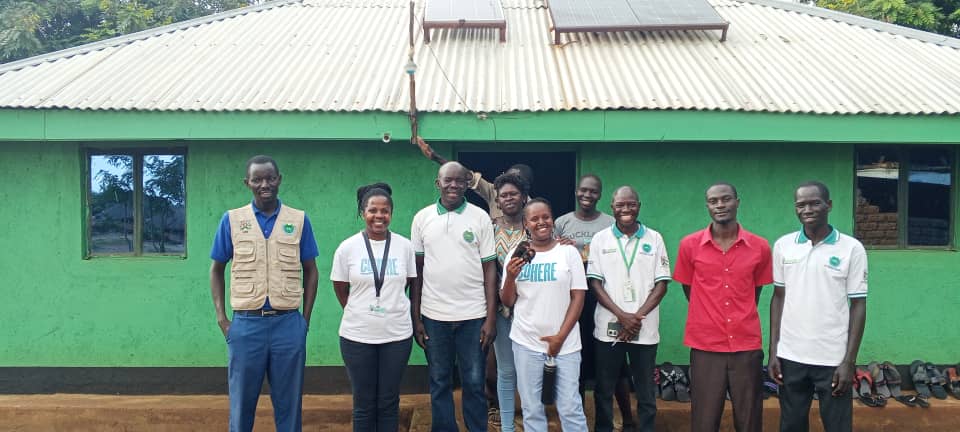
When I first heard that we would travel to West Nile region of Uganda to visit refugee-led organisations (RLOs) in Bidibidi, Imvepi, Rhino Camp settlements and Arua, I was excited. It was my first time visiting that part of Uganda, and I could not wait to experience a different environment and meet communities hosting thousands…
-
Rethinking Impact in Refugee Settings: Beyond Visibility, Towards Trust and Human Connection
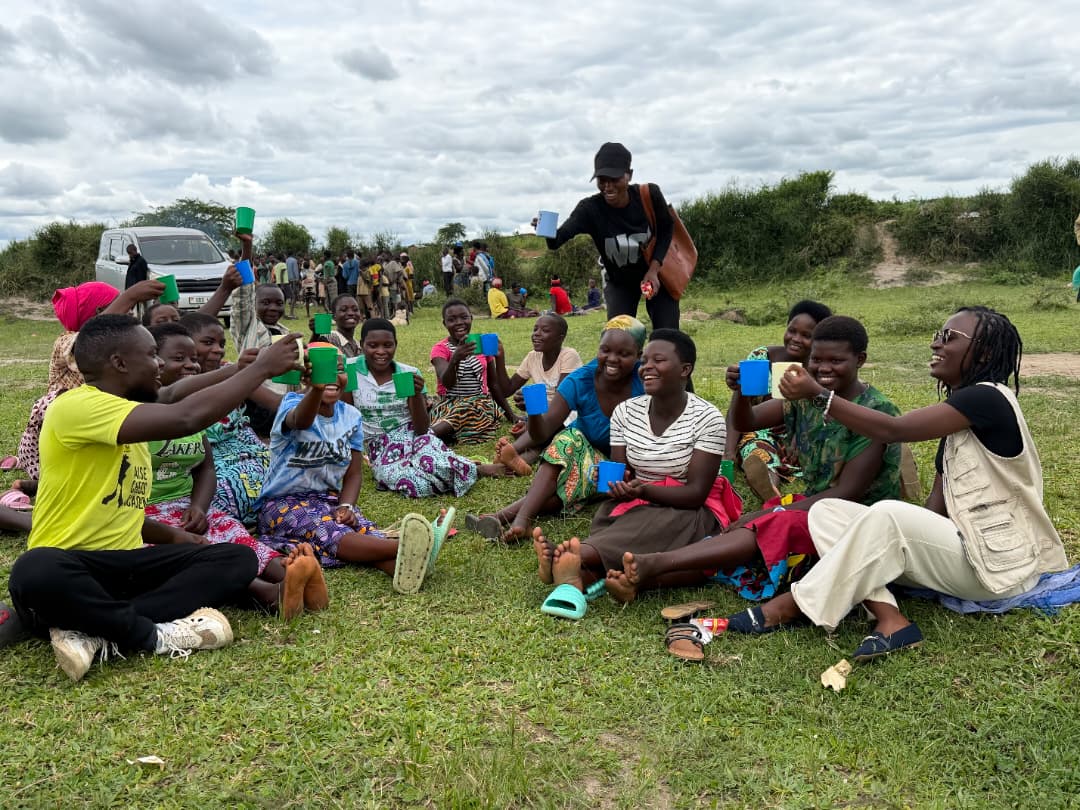
A question has been nagging at me for a week now… and it keeps coming up whenever I talk about trust-based relationships and our approach at Cohere. When I present our work and our model, I’m often asked similar questions: “How sure are you that RLOs will use grants correctly?” “A refugee-led organisation can exist…