Author: Edmund Page
-
Dignity over Aid: The Requirements of a fairer and more inclusive approach to humanitarianism
In 2015, Cohere, which was then called Xavier Project, went to Kakuma refugee camp for the first time as part of a consortium delivering ed-tech homework solutions for refugees. The product, designed by an ed-tech company in Nairobi, was a set of homework quizzes on the Kenyan curriculum that ran on basic handsets through USSD…
-
Agency, Inclusion and Trust-Based Relationships: a Triangle for a Just Society
The message we hear most often from the communities we work with is that the goal is not simply to escape poverty, insecurity or hardship in times of crisis. People seek justice, the dignity that comes from being treated as fully human, and the agency to shape their own futures rather than having them shaped…
-
Leadership, Land and Belonging
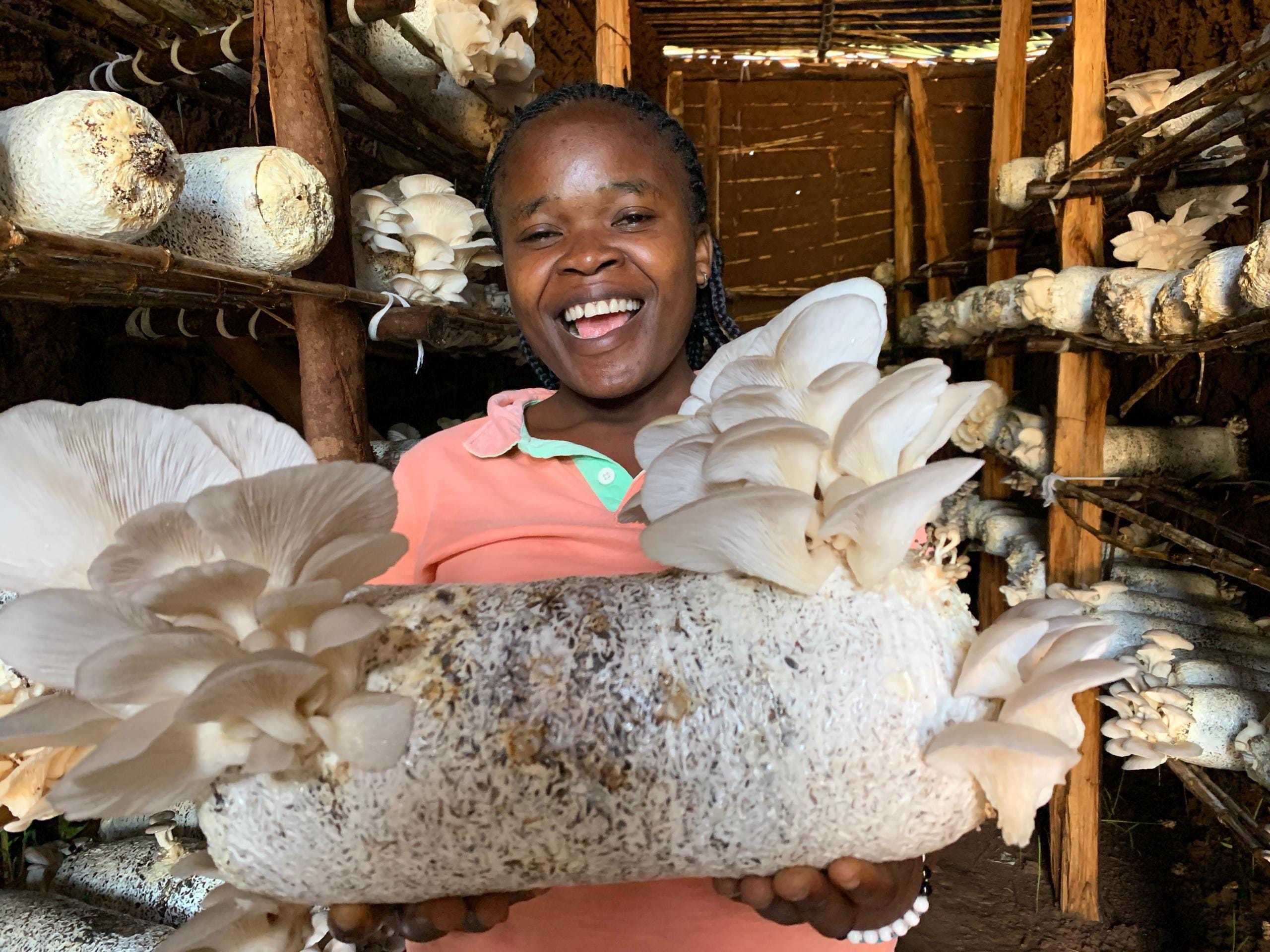
Regenerative agriculture in refugee settings is often presented as a pathway to sustainability and renewal. Refugee-led organisations are already demonstrating what this can look like in practice. But these examples also raise a deeper question: if regeneration depends on long-term relationships to land, what happens when the people doing the work are not fully allowed…
-
True Allyship Doesn’t Ask for Compromise
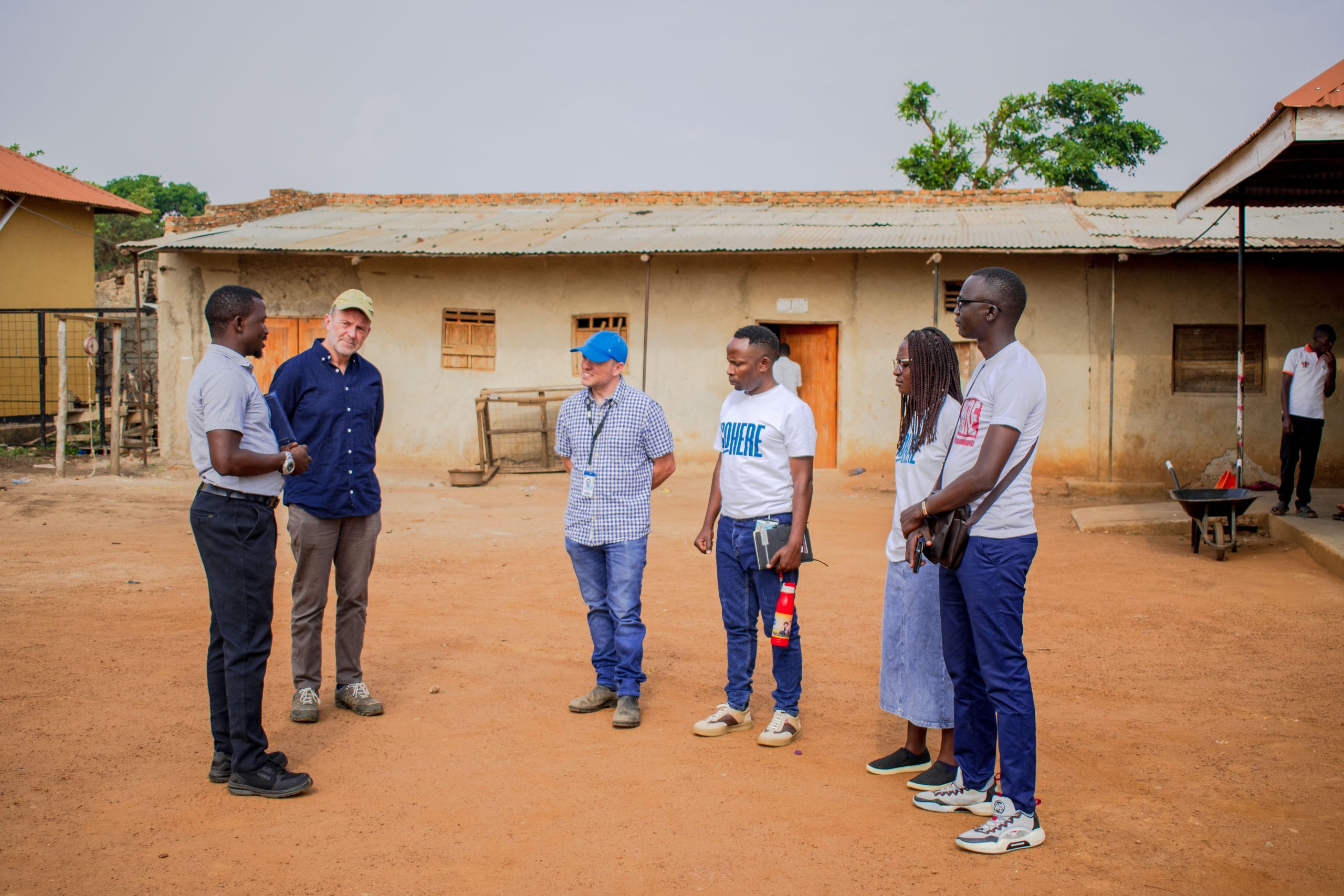
In December 2025 I spent five days in Geneva talking to refugee advocates, donors, intermediary organisations and others about funding refugee leadership. Cohere has been able to channel funding to over 100 refugee led organisations in the last decade and it is often assumed that Cohere’s goal is to get as much funding to refugee…
-
On Shyness About Values
In many of the gatherings I find myself in, I’ve noticed how difficult it can be to talk openly about values. There often seems to be a kind of shyness — a hesitancy to name convictions, to speak of beliefs, or to use language that might be interpreted as ideological. That word, “ideology”, is uncomfortable…
-
Gathering Points and Relationship Based Aid
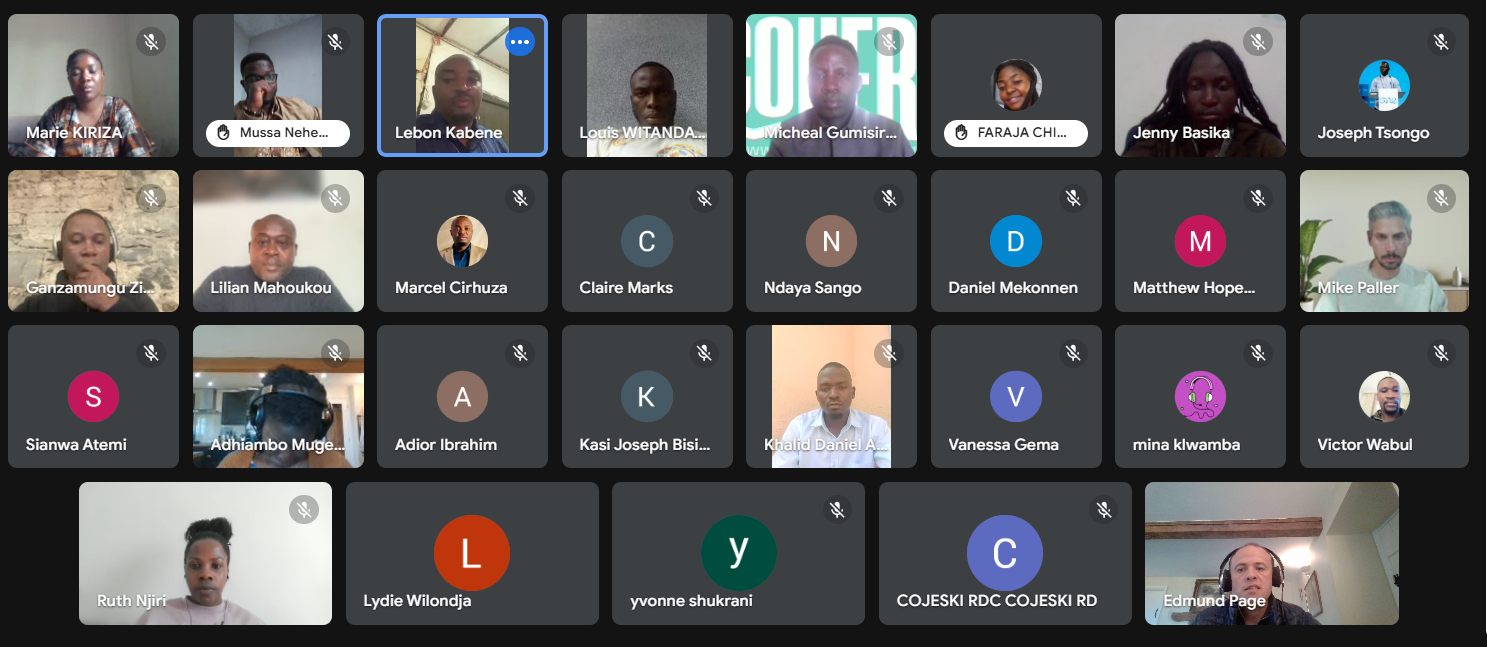
The Eastern part of the Democratic Republic of Congo is currently experiencing a crisis. Decades of bubbling tension has overflowed into wide scale conflict, with at least 7000 people killed so far. Traditional forms of humanitarian aid are not getting into the country. There are three main reasons why international aid is barely trickling into…
-
Realpolitik In Aid
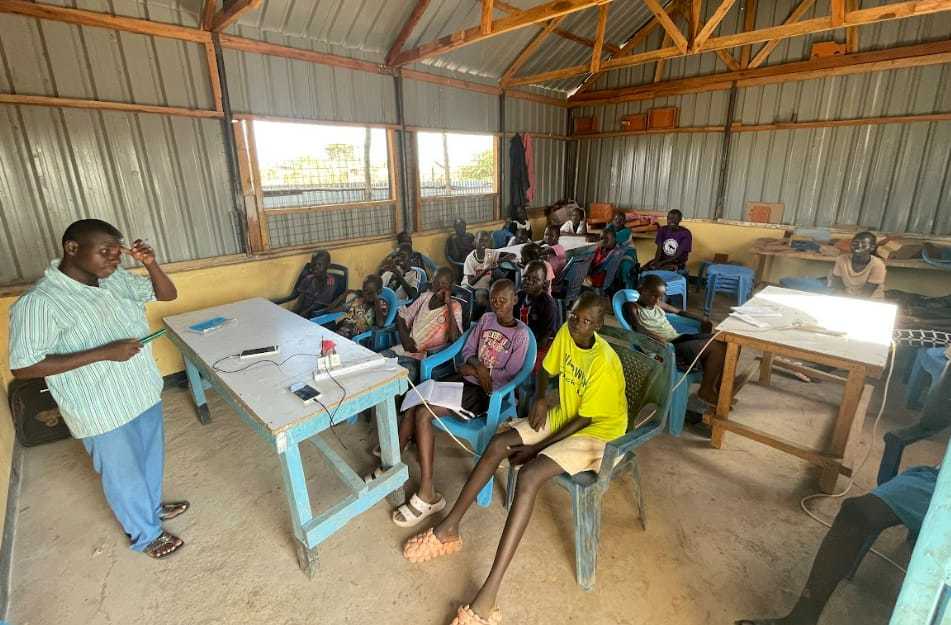
For over 20 years an organisation called InterAid was the main implementation partner for the most significant refugee response contracts in Kampala Uganda. All public funding allocated towards Education for refugees in Kampala, for example, found its way to InterAid. They were responsible for running education programmes in urban areas such as supporting schools with…
-
Brands And The Corporatisation of NGOs
Of the $46 billion given in humanitarian aid, only 1.2% is put in the hands of local actors and far less is put in the hands of leaders from communities affected by forced displacement. (HPG, November 2023) When donors choose to give, be they tax payer funded donor agencies, private philanthropic agencies or individual donors,…
-
Neocolonialism Through Due Diligence. The Price of Depending on Imperialist Institutions for Brokering Trust
Global crises fuelling the displacement and protracted emergencies for increasingly vast populations around the world is the result, for a large part, of global inequalities and the perpetuation of inter-continental and intergenerational injustices. Reallocation of unjustly concentrated resources and a shift in power in the way we collectively deal with the world’s problems is needed…
-
Reframing the way aid works
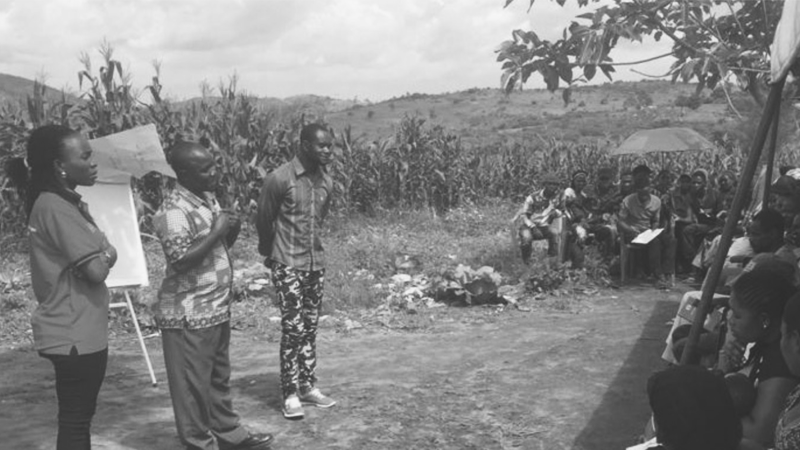
Tue, Mar 1, 2022 Read in 2 minutes At Cohere, our vision isn’t to transfer aid. It’s to transfer power. We are reframing the way humanitarian aid works. At Cohere, our vision isn’t to transfer aid. It’s to transfer power. That’s why, along with some of our partners, we developed Reframe – a website that showcases refugee-led…