
Author: Ruth Njiri
-
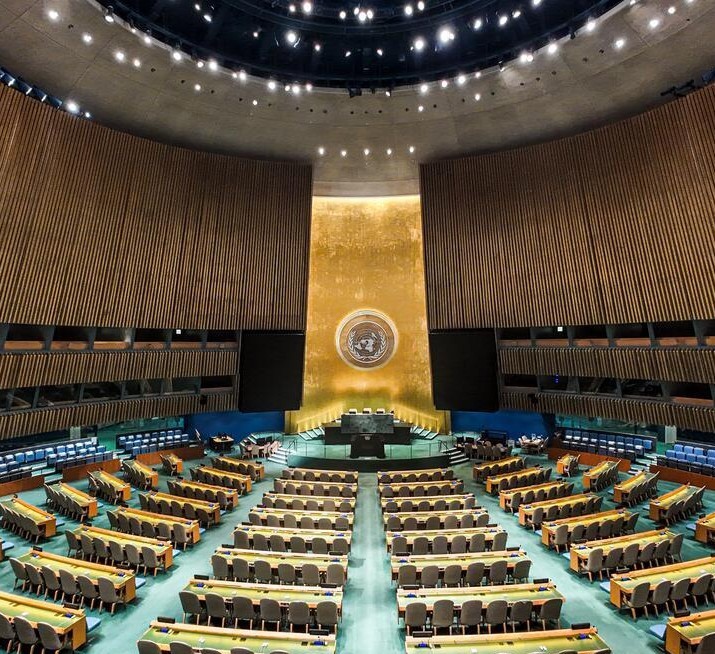
The Illusion of Trust in the Multilateral Institutional Aid System
“Multilateral institutions never had people’s trust. Community leaders always did.” Restoring trust in multilateral institutions was one of the themes dominating global conversations last month as world leaders, donors, civil society representatives and actors gathered in New York for the 81st Session of the United Nations General Assembly, also known as, UNGA 81, but trust…
-

In Pursuit of Inclusion Through Relationships
“When partnerships are described as rooted in in-person relationships, or even friendships built over years of shared work, they are often treated as unprofessional. Formal calls for proposals, legally binding contracts, audits, and controls are assumed to be more objective. Through this lens, language around building relationships can seem informal or suspicious.” In part one…
-
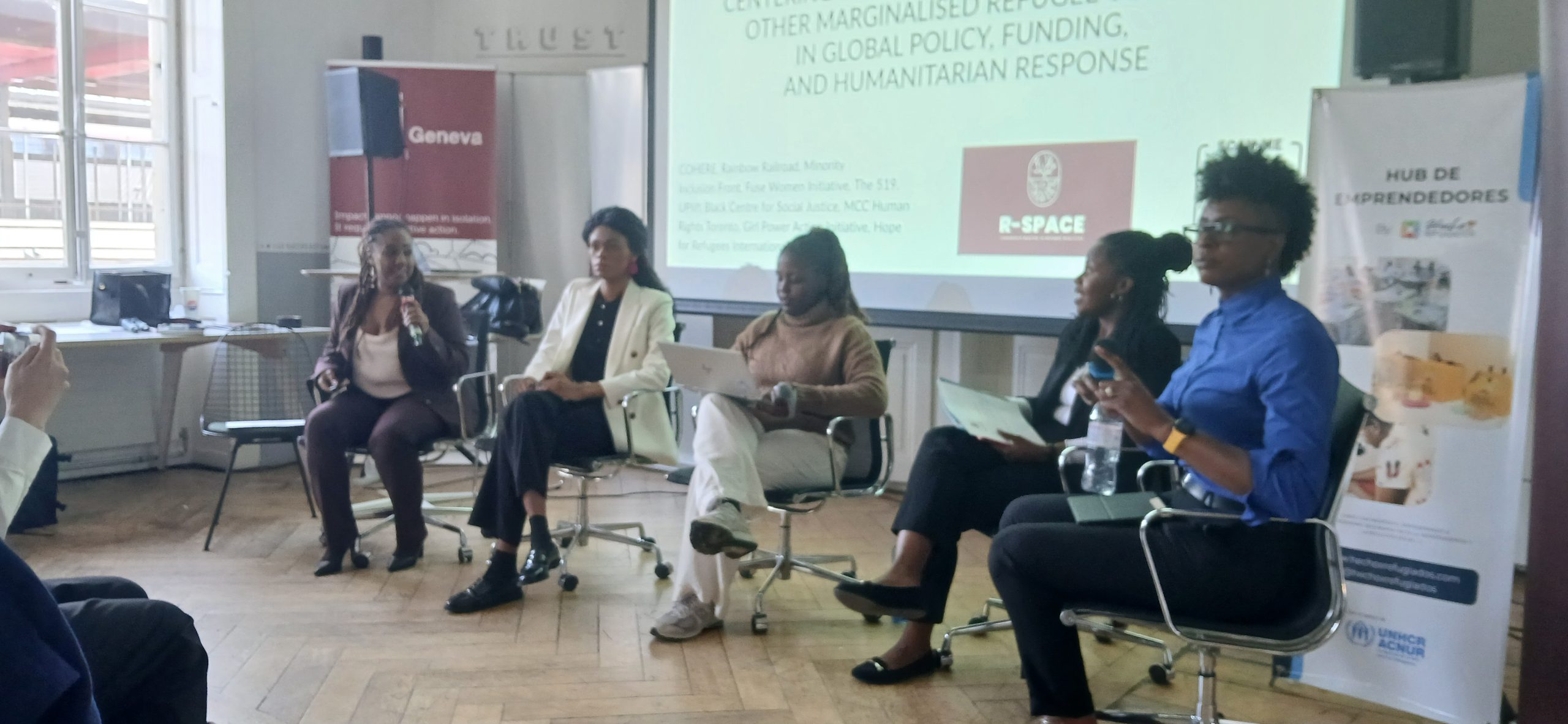
Reflections from Geneva on funding flows and the agency gap
R-Space returning to Geneva alongside the GRF Progress Review came with something the sector rarely gets right; a programme designed around refugee leadership. Over three days, the space brought together refugee leaders, organisations, and allies across protection, localisation, disability inclusion, climate, economic inclusion, gender, etc and with a clear signal that refugee expertise belongs at…
-
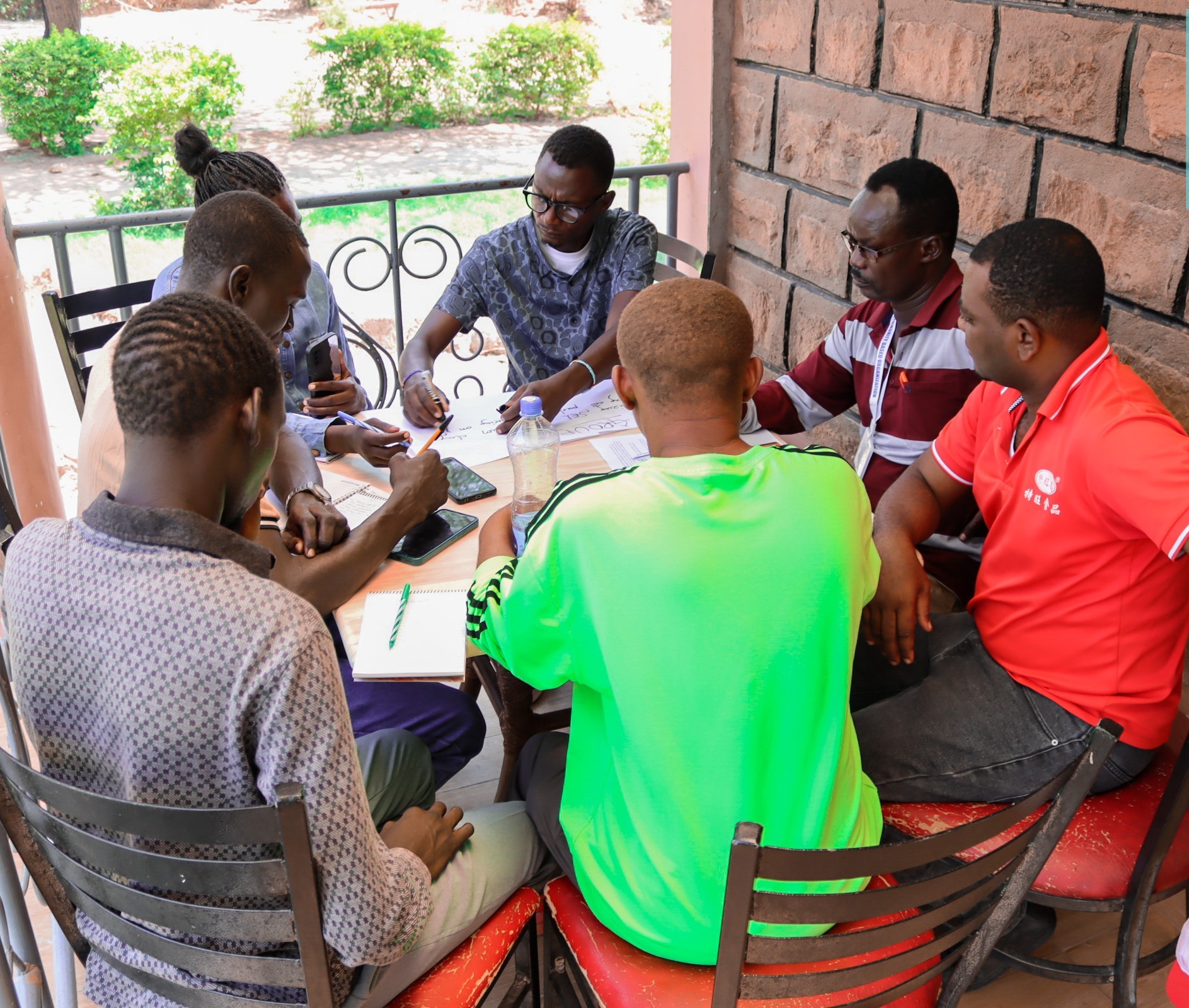
Participation is Not the Path to Inclusion
This is the first blog in a series examining the participation and inclusion of displacement-affected communities in the humanitarian sector. In the humanitarian sector, participation has become a performance. INGOs and other intermediaries use it as proof of accountability and legitimacy to donors, but the way it is structured reveals a system built to preserve…
-
The Crisis of Humanitarian Partnerships
Lately, I have found myself in countless conversations and sector convenings where the same question keeps surfacing: “Why are partnerships with refugee-led organisations (RLOs) still tokenistic and only pursued when INGOs face funding cuts or operational challenges?” Across the humanitarian sector, the narrative is becoming familiar: RLOs are called upon only when costs need to…
-

Why Donor-Led Agendas Are Failing Communities
For years, donors in the humanitarian sector, have relied on the concept of risk aversion and capacity gaps to justify rigid, restricted and time-bound grants when funding actors in the Global South. To access this funding, organisations are expected to construct robust logframes, articulate detailed theories of change, and commit to predetermined outcomes, often within…
-

Bringing refugee leadership from the margins to the centre to advance early years education in crisis contexts
Co-authored by Cohere, Global Schools Forum, Ki4Bli (Kenya) and YIDA (Uganda) Early childhood is a critical window for shaping lifelong outcomes in learning, health, and wellbeing. Research shows that high-quality, birth- to-five early childhood programs for disadvantaged children, yields a 13% return on investment per child, per annum through better education, economic, health, and social…
-

Menstruation is Political and Period Justice Demands Systemic Change
Menstruation is political. Yet in many spaces where period justice is discussed, the focus remains on pads and product distribution. This narrow lens misses the bigger picture. Period justice is about dignity, autonomy, health, safety, and equity; and it’s deeply systemic. It intersects with race, gender, class, displacement, and geography. But those most affected by…
-
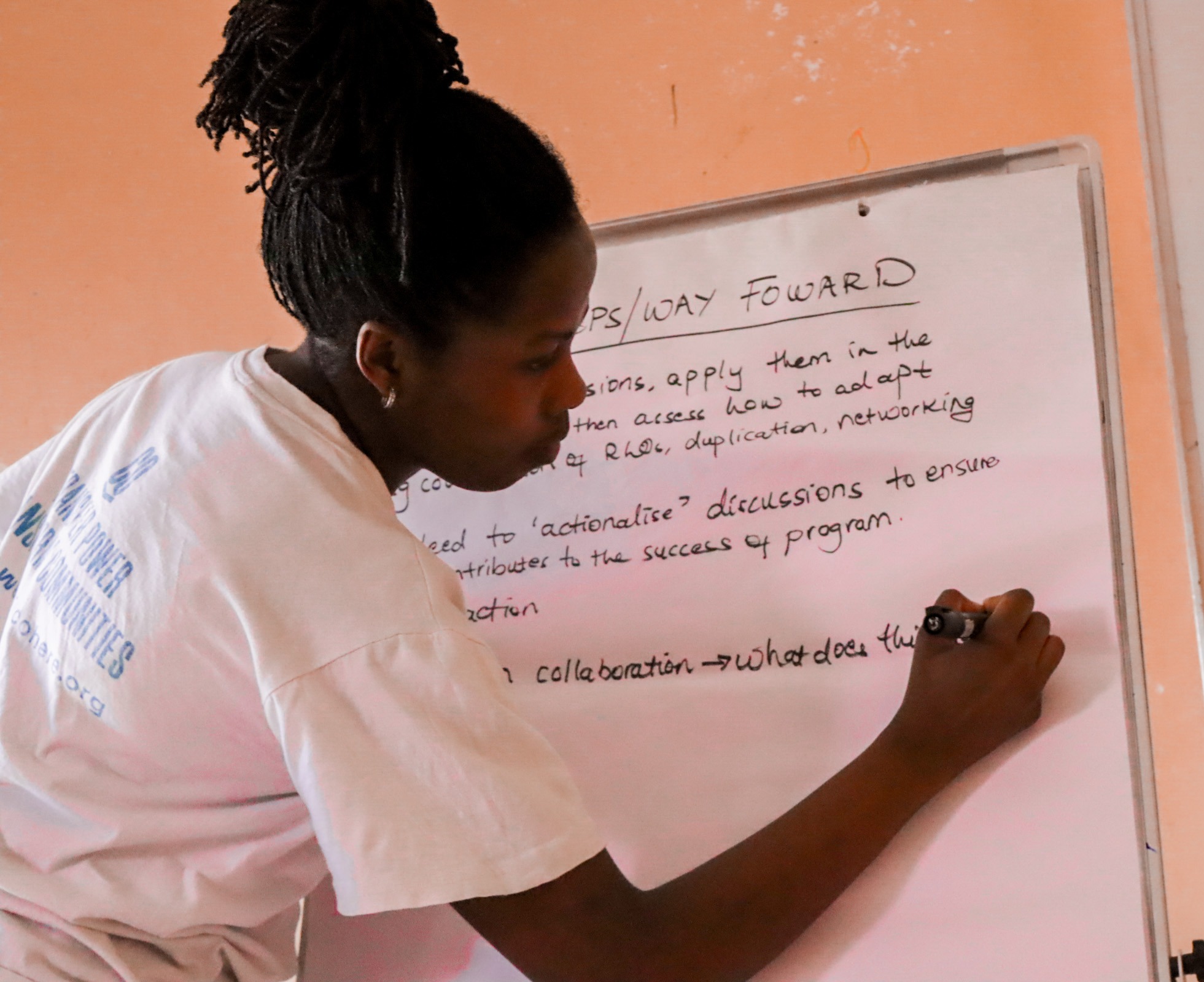
Language That Divides and Language That Connects
With aid cuts, worsening climate crises, conflict and wars across the globe, it is fair to wonder; why bother with language at all? Isn’t it a distraction from the real work? A change in vocabulary will not save lives or dismantle systems of oppression on its own; and too often, language reform becomes a cosmetic…
-

Why we’re moving away from restricted funding…
For too long, the humanitarian sector has operated on the assumption that control equals accountability. For too long, funding has been structured by rigid due diligence frameworks, often focusing more on compliance than on meaningful relationships. Risk aversion, excessive reporting, and deliverables prioritise donor priorities over the needs of the community. At Cohere, we have…