
One of the biggest misconceptions when it comes to the argument for building partnerships rooted in trust, is that one should trust immediately, absolutely and unequivocally. This cannot be further from the truth. Distrust within the humanitarian sector has deep roots in the sector’s history, structure, and power dynamics. Many of today’s systems were built around a top-down, donor-driven model shaped by colonial legacies, where international actors held decision-making power and local actors (if even acknowledged) were seen primarily as implementers. Over time, this created an ecosystem focused on control, compliance, and risk management aimed to meet the accountability and demands of institutional donors.
Even with the efforts towards localisation, trust has been replaced with paperwork, audits and rigid oversight mechanisms that have frontline responders constantly proving their credibility and has completely overlooked the need for relationship-building. The humanitarian sector has ended up being more performative than practical in its partnership building process and has never fully acknowledged the importance and necessity to do the deep work of building relationships. Instead, it has perpetuated donor-driven compliance cultures that have eroded the very foundations that real trust needs to grow.
The proponents of trust within the sector have been catechized with arguments about how naive and counterproductive the idea of trust is. What’s often missed in these critiques is that trust is not blind faith, but it is a deliberate, complex process shaped by context, time and shared experiences. In a sector built on historical imbalances, trust cannot be assumed; it has to be worked on, tested, and sustained over time, often in messy, imperfect ways.
Rather than avoiding that complexity, the sector needs to lean into it, recognising that real trust is not a soft alternative to due diligence, but a deeper form of accountability rooted in relationships, not just reporting. Embracing the messiness is what allows for more locally-led solutions, and ultimately, more honest partnerships.
However, there is a difference between unconditional trust and building and working on a foundation of trust. On one end of the spectrum, some donors have called for supporting organisations that are led by and serving marginalised communities (such as refugee-led organisations (RLOs) within the forced displacement context) and then trusting that these RLOs know what’s best to do with the funding. If we look at that argument, it is flawed, because it is calling for trust, based on identity alone. This approach reflects a recognition of the value of lived experience and community-rooted knowledge, but it can also risk being tokenistic if not paired with long-term relationship-building.
On the other end of the spectrum, which happens to be the norm, some donors do believe that they can establish trust by first taking partners through due diligence procedures. This process is fundamentally flawed because it perceives interactions with communities as transactional, interchangeable, and founded upon bodies of paperwork and documentary evidence that “prove” the organisation is worthy of partnership and funding. This compounded with the fact that because RLOs and RLO leaders are considered to operate within “complex” contexts, it is believed they should be subjected to stringent scrutiny that leaves no room for mismanagement of funds, let alone human error. The intrusive and extensive checks and balances are justified all in the name of due diligence.
Completion of this due diligence is considered a proxy for trustworthiness. But such a system only enables people who know how to “work it” to succeed over those who don’t – and those un-savvy yet sincere actors are the one who would be best suited to receive that funding.
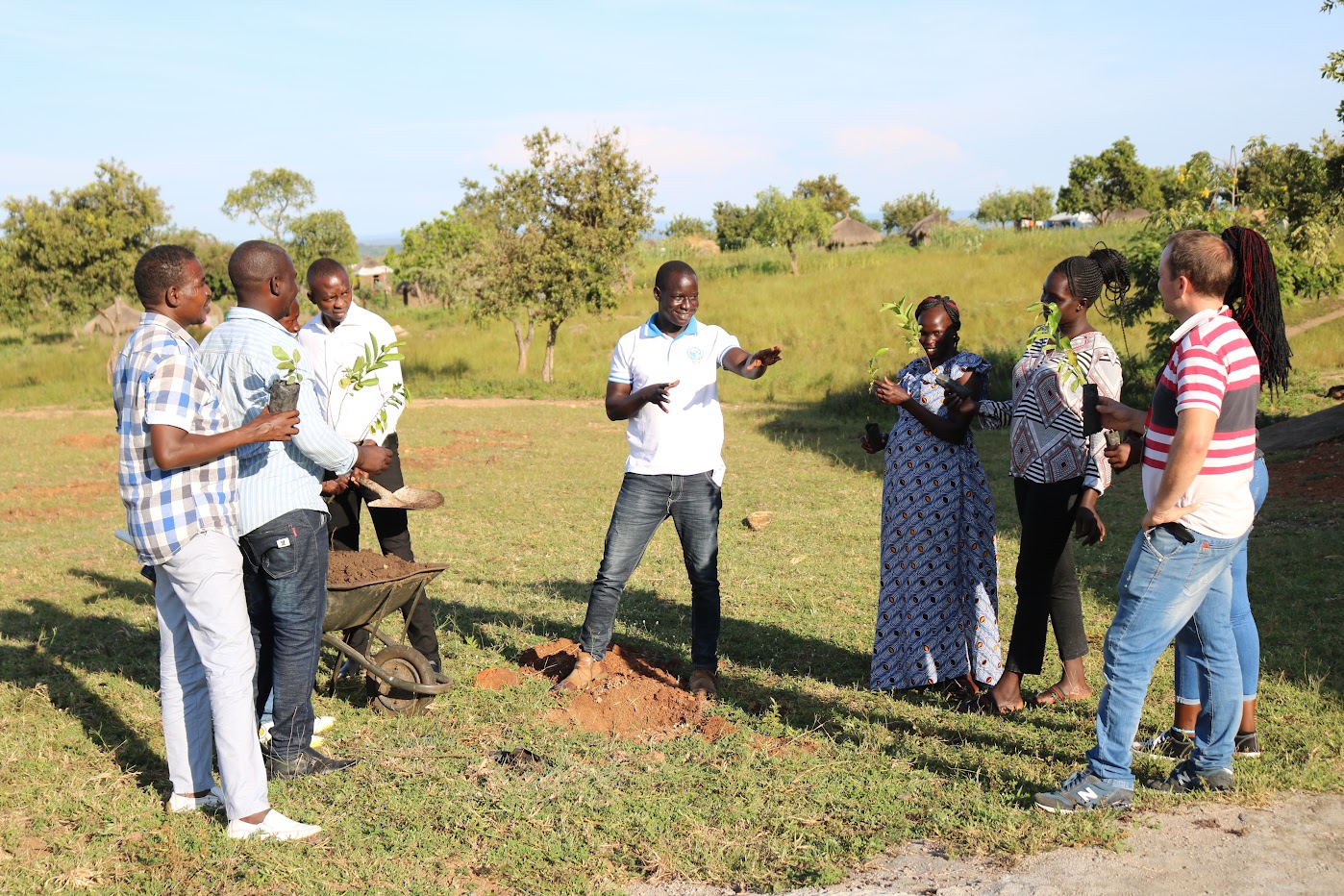
At Cohere we are urging donors and all actors within the sector to partner and fund organisations only after they have made those human connections, by intentionally, actively interacting and engaging (in-person) with that individual, the RLO and the community that they are a part of. Only then can lasting foundations really be built. There are no shortcuts to this.
The first step is a shift in mindsets: For those who want to give or support a cause, they must stop seeing themselves as ‘saviours’, but instead see that their contribution is just playing their part in this interconnected world. Today, you may be helping someone – but tomorrow, you could be the one that needs help. It takes the realisation that being a true ally to communities in crisis means building meaningful relationships with the people who are leading these communities.
Instead of wasting time and energy on administrative due diligence, donors and other actors should be spending time building meaningful human relationships with RLOs, and in so doing, intuitively and naturally develop interpersonal trust.
Get to know the people within the RLO and as you do, deeply understand their cause, systems, operations, activities, challenges, successes and the communities they are a part of. This is a process and it takes time but reforming the sector must come from completely reforming our usual practices and entrenched behaviours.
At the same time and most importantly, allow the RLO leaders to get to know you, as this must be a two-way street: openly and honestly share your own experiences and motives for being there.
At Cohere, our message is simple: Inclusion of the most marginalised is only fully achievable through establishing genuine human relationships. At the heart of this message when focusing on relationship building are the values of humility, respect, mutuality and trust. Once that is established, we then have a strong, lasting foundation for partnering with, supporting and funding RLOs. The mutuality between us and our partners (established over time) will also inevitably facilitate environments of honesty and transparency; therefore rendering stringent and autocratic due diligence procedures obsolete because there will be true solidarity.
Author: Ruth Njiri, Head of Prospecting


Leave a Reply