
Tag: trust based philanthropy
-
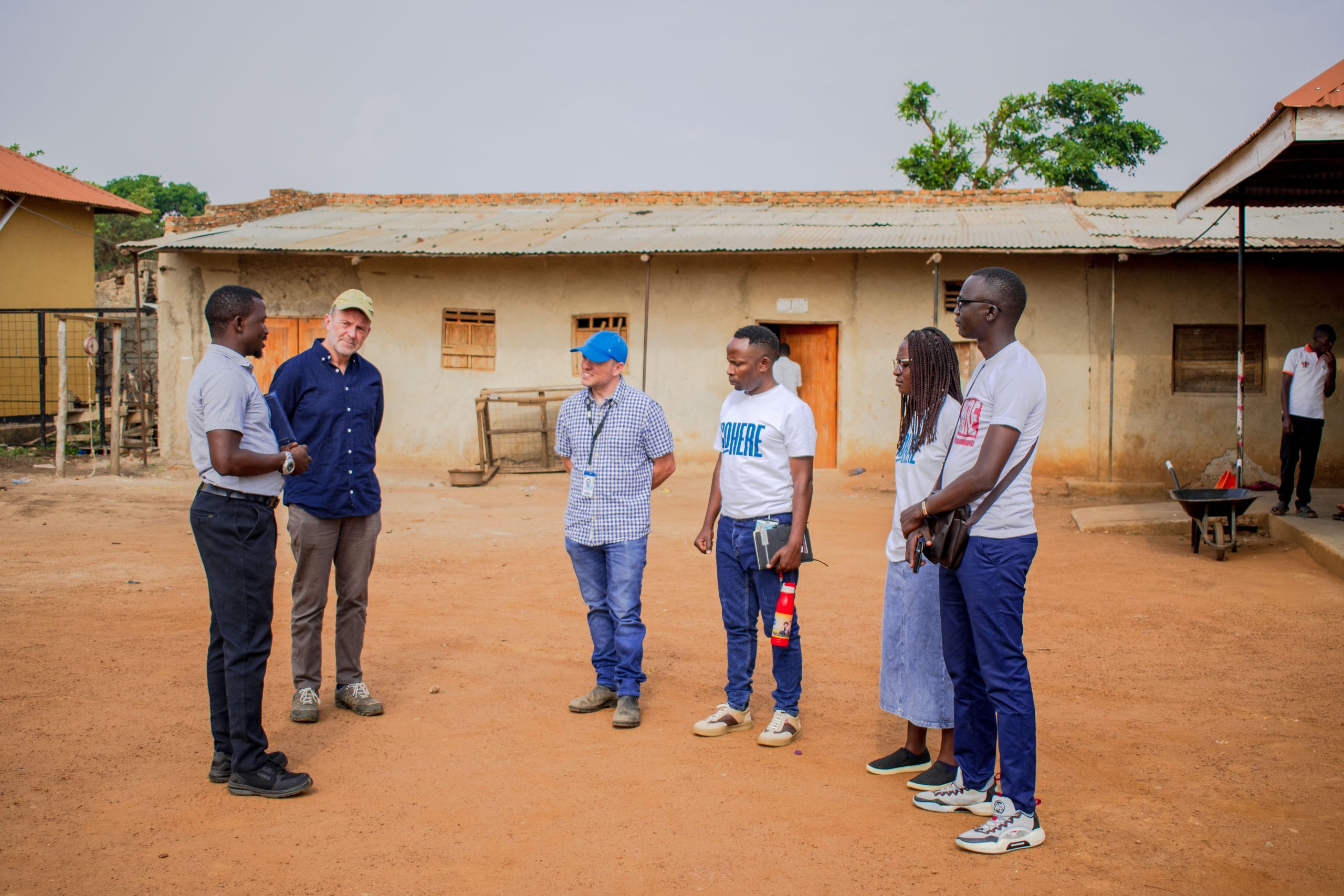
True Allyship Doesn’t Ask for Compromise
In December 2025 I spent five days in Geneva talking to refugee advocates, donors, intermediary organisations and others about funding refugee leadership. Cohere has been able to channel funding to over 100 refugee led organisations in the last decade and it is often assumed that Cohere’s goal is to get as much funding to refugee…
-
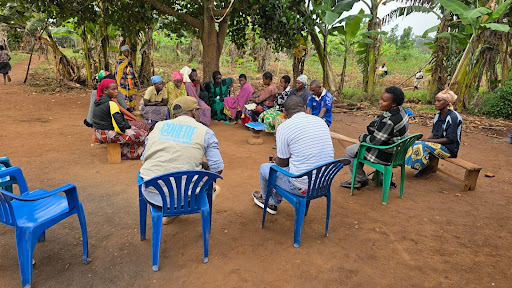
Leaning In and Listening from the Ground: Insights from a conference with Rwamwanja refugee farmers
“…solutions emerge when we lean in, listen carefully, and co-create with communities. Farmers already know what works and what is possible—they just need space, trust, and support to scale it.” In January, I had, what I can honestly call, the most interesting “conference” I have attended for a very long time. This time it was…
-
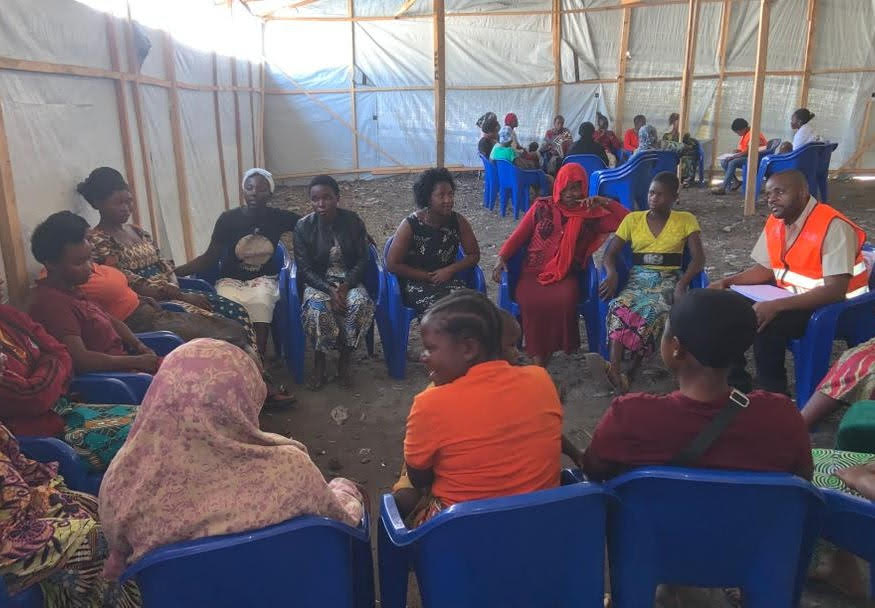
Suffering and Sovereignty – a UN system with misaligned values
The UN Chief, António Guterres, has warned that due to imminent financial collapse, the UN as we know it could implode. “Fifty years on, the UN continues to ask how it can remain relevant to people living in contexts of oppression and displacement. Yet the questions it poses often reveal a narrow understanding of what…
-
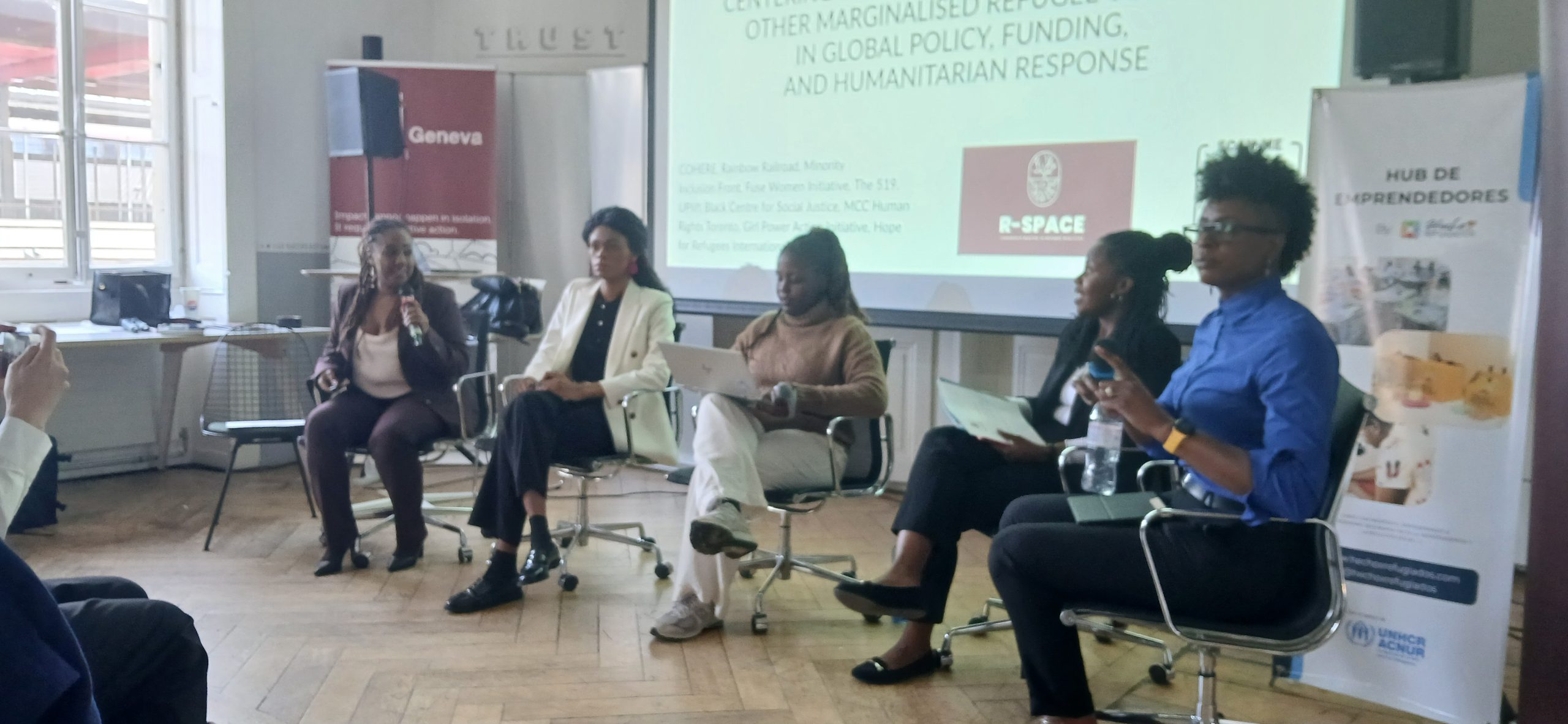
Reflections from Geneva on funding flows and the agency gap
R-Space returning to Geneva alongside the GRF Progress Review came with something the sector rarely gets right; a programme designed around refugee leadership. Over three days, the space brought together refugee leaders, organisations, and allies across protection, localisation, disability inclusion, climate, economic inclusion, gender, etc and with a clear signal that refugee expertise belongs at…
-
The Tailors of Kasisa
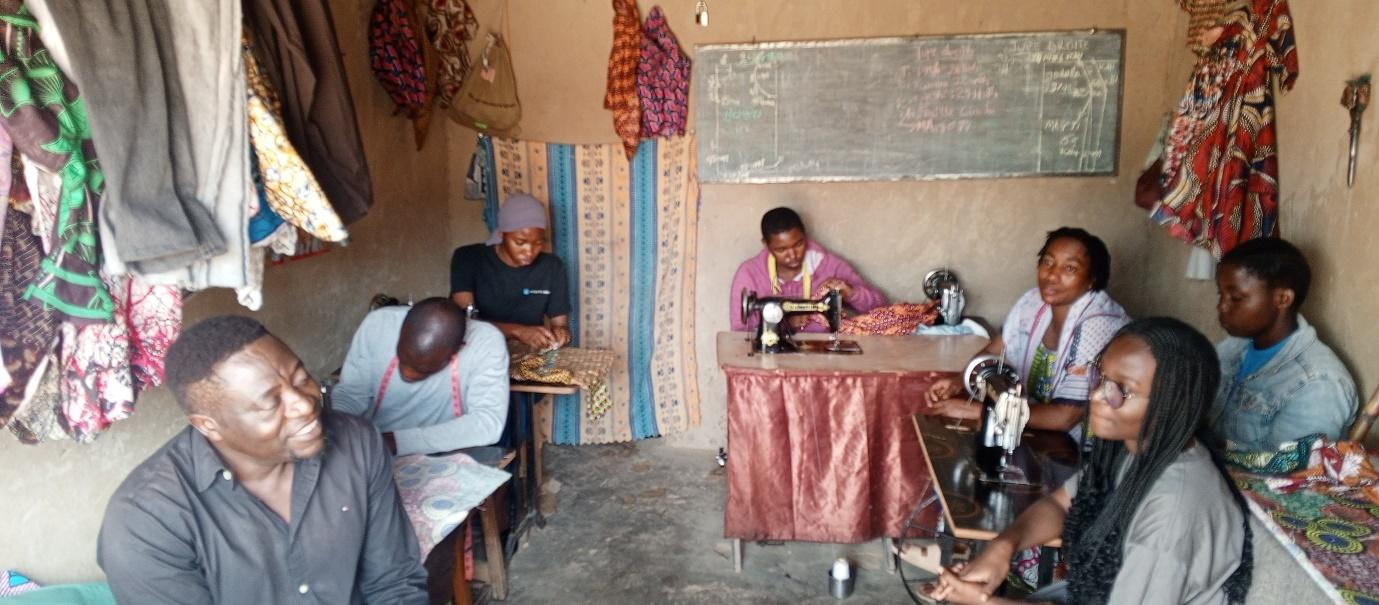
From Micheal and Jenny in Rwamwanja In the heart of Rwamwanja refugee settlement, in a small village called Kasisa, Basecamp 2, lives a quiet but remarkable couple; Mr. Bisimwa Mufambali and his wife, Ms. Fifi Balisesa. Their story is not one of large grants or official recognition, but of agency, humility, and the power of…
-
Why Donor-Led Agendas Are Failing Communities
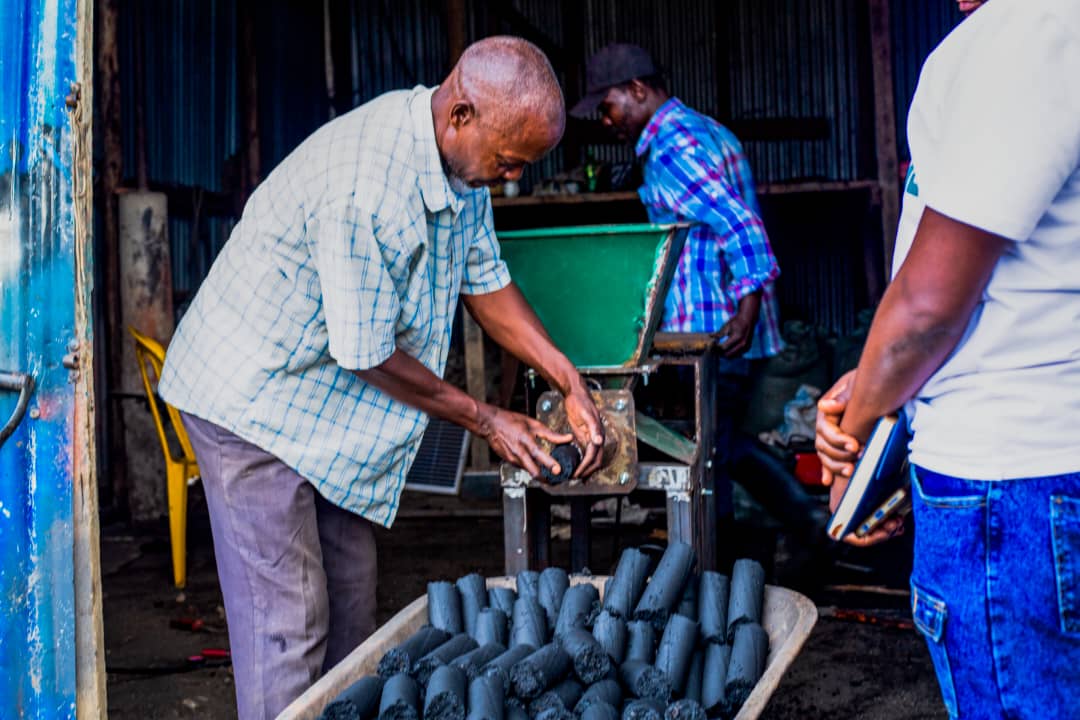
For years, donors in the humanitarian sector, have relied on the concept of risk aversion and capacity gaps to justify rigid, restricted and time-bound grants when funding actors in the Global South. To access this funding, organisations are expected to construct robust logframes, articulate detailed theories of change, and commit to predetermined outcomes, often within…
-
“Akagasente”: What Trusting Frontline Leaders Really Looks Like in Philanthropy
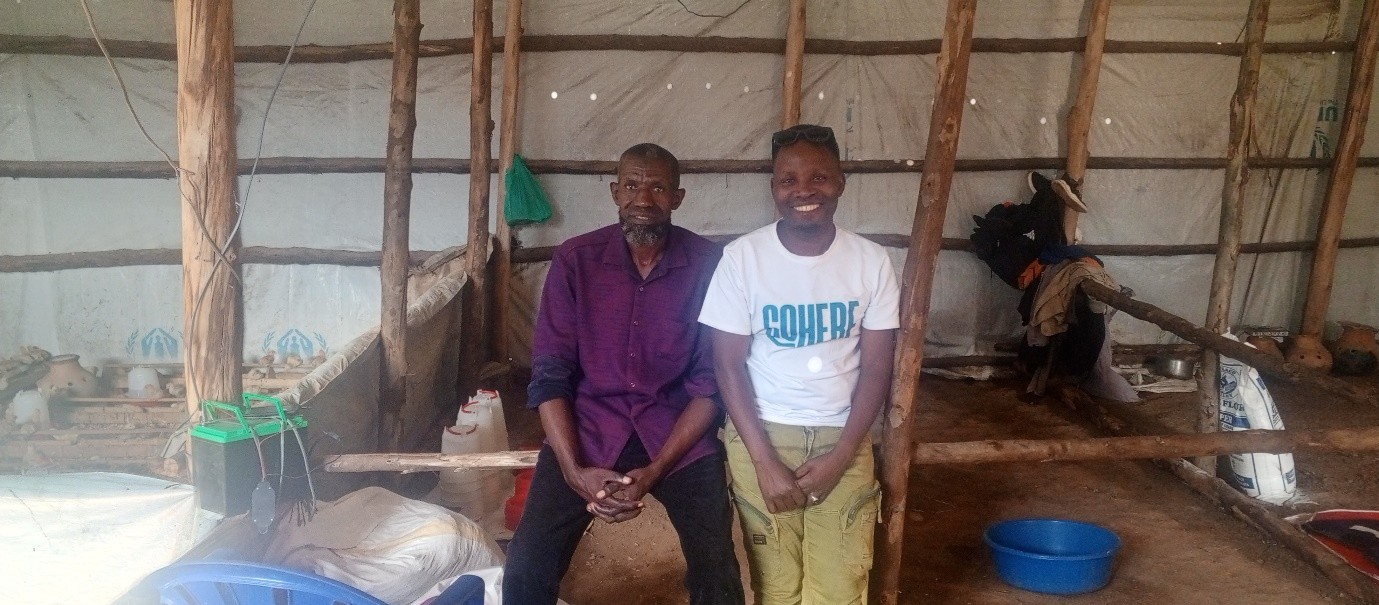
Not long ago, I visited Mahani zone in the heart of Rwamwanja refugee settlement in southwestern Uganda; a place over 90,000 people call home. Among them is Abuba, a skilled chicken farmer and the founder of Ignite Hope Initiative, a refugee-led organisation that recently received a flexible seed grant through Cohere, by the Global Whole…
-
Reimagining Philanthropy: Why Unrestricted Funding is a Lifeline now, Not a Risk.
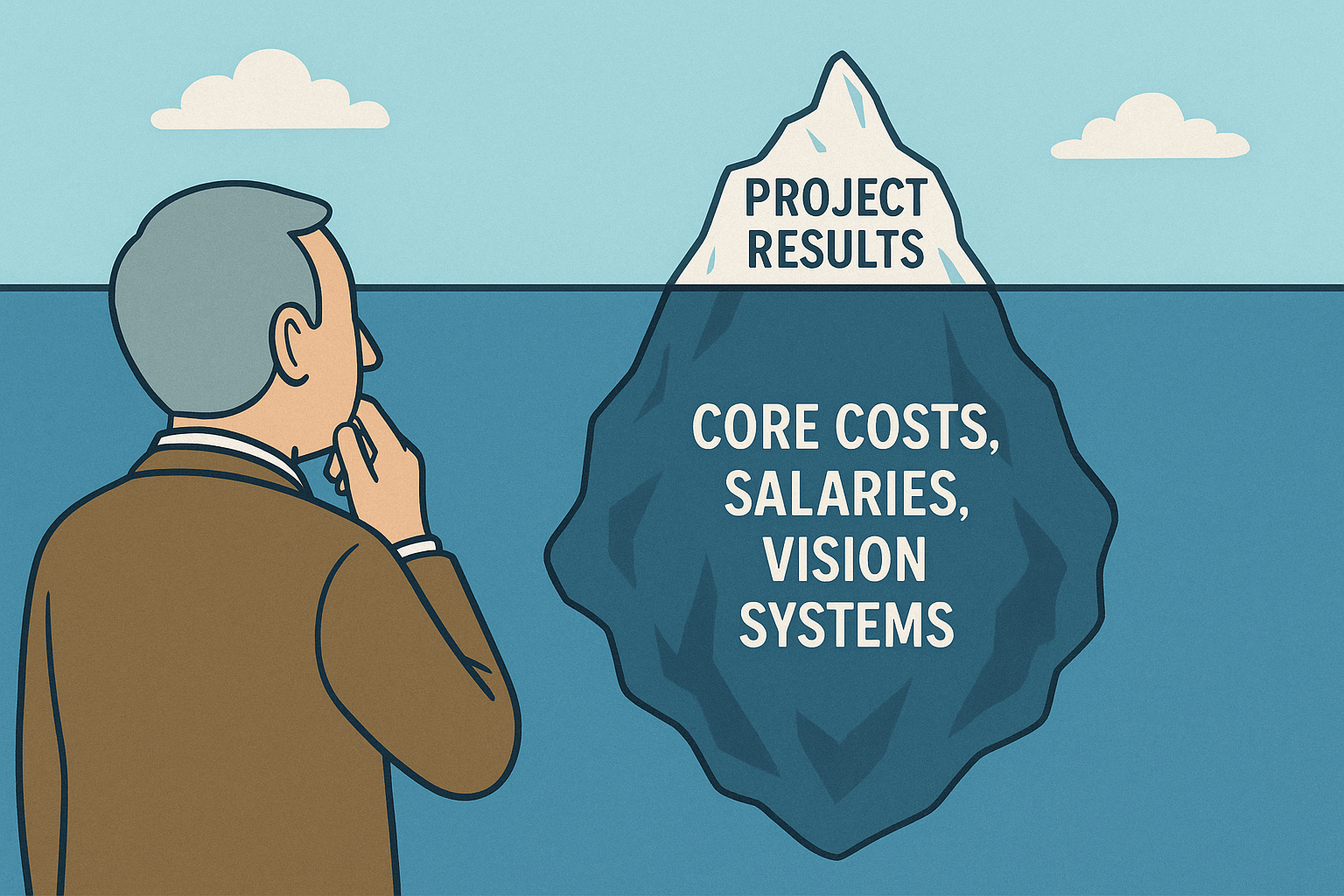
Philanthropy is at a crossroads. With global crises escalating; from Eastern DR Congo to Gaza, Sudan, and beyond; and overseas aid slashed across donor countries. Charities and NGOs face crushing uncertainty, globally. Yet demand for their services has never been higher. Recently, at Cohere’s Congo Gathering Point, we heard harrowing updates: nearly 80,000 people are now sheltering in…